


HEC appoints NUST rector as national chair for AI and robotics
 Rabbia Zafar
|
2 hours ago
Rabbia Zafar
|
2 hours ago
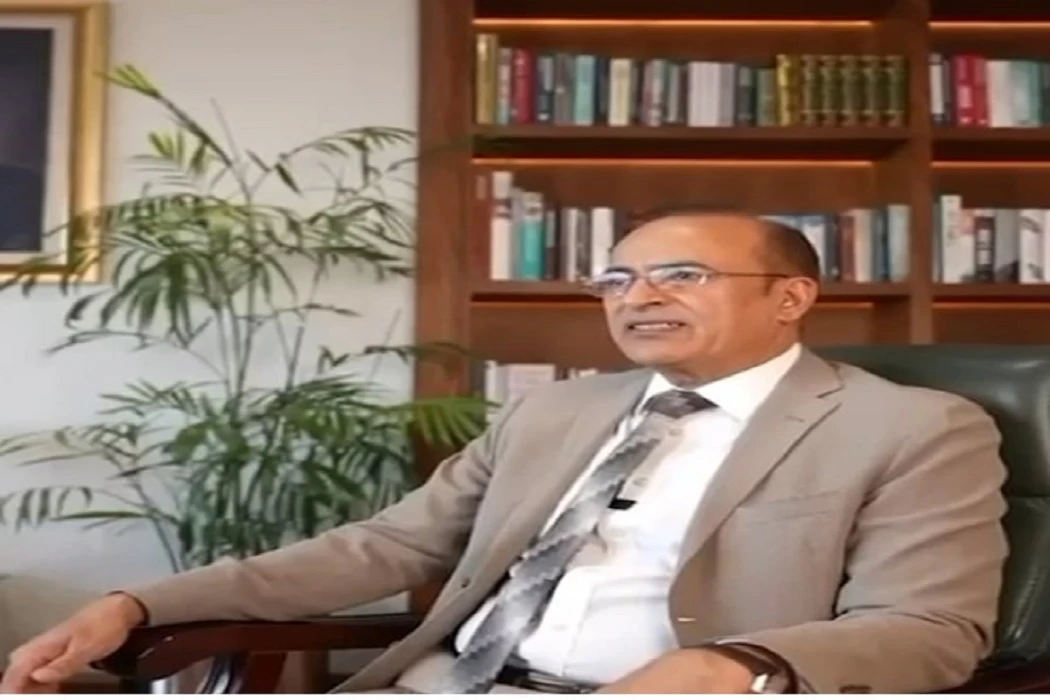
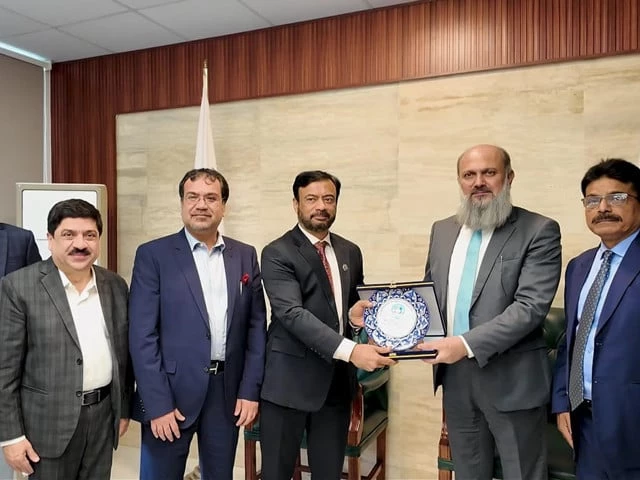
The Higher Education Commission (HEC) of Pakistan has appointed Rector National University of Sciences and Technology (NUST) Dr Muhammad Zahid Latif as the National Chair for Artificial Intelligence and Robotics, marking a significant step in strengthening the country’s focus on emerging technologies.
Under the new arrangement, HEC has entrusted NUST with leading Pakistan’s policy direction in artificial intelligence and robotics. The initiative is aimed at developing a unified national strategy to advance research, innovation, and practical applications in these fields.
The National Chair will operate from NUST’s Islamabad campus and will collaborate with experts, academics, and industry stakeholders to design a comprehensive framework for AI and robotics development in Pakistan. The initiative is expected to align local technological progress with global standards and emerging trends.
Mother kills three children before suicide in Mailsi domestic tragedy
According to officials, the chair will also play a key role in identifying structural weaknesses, administrative bottlenecks, and policy gaps within Pakistan’s science and technology ecosystem. Based on its findings, it will recommend reforms to improve research output, innovation capacity, and institutional coordination.
Dr Muhammad Zahid Latif described the appointment as a recognition of NUST’s growing academic and research contributions. He said the initiative would help strengthen Pakistan’s capacity in high-tech fields and support long-term scientific development.
The broader objective of the programme is to position Pakistan among leading regional countries in artificial intelligence, robotics, and advanced automation. Policymakers believe that structured investment in these areas could enhance productivity, support industrial modernisation, and create new opportunities in the digital economy.
The move comes as countries worldwide accelerate investments in AI-driven systems, with education and research institutions playing a central role in shaping future technologies.
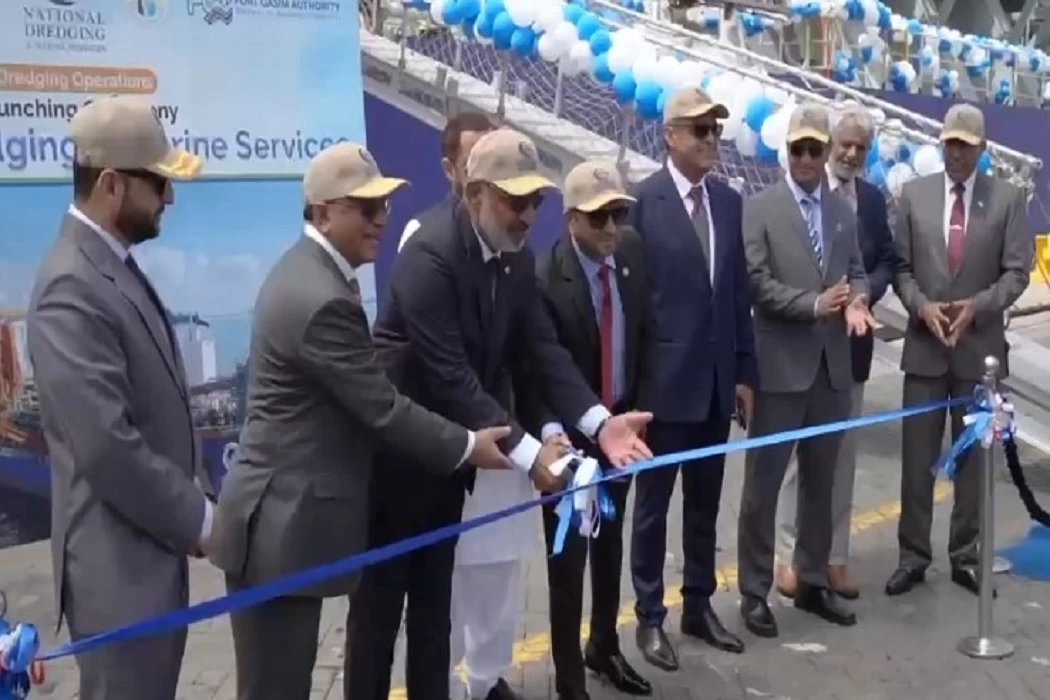
Pakistan launches national dredging company to boost maritime self-reliance
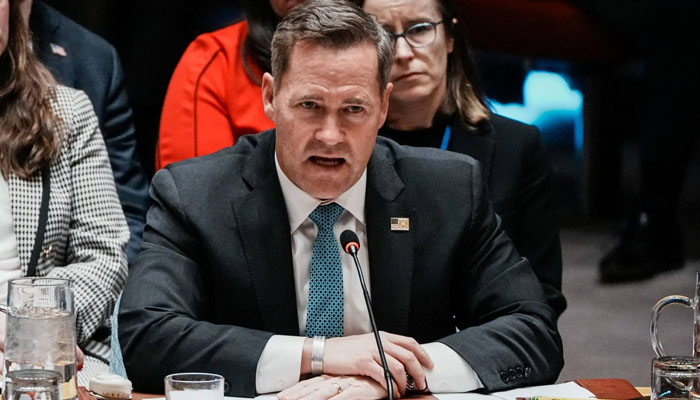
US claims China is distancing from Iran after Trump Beijing visit
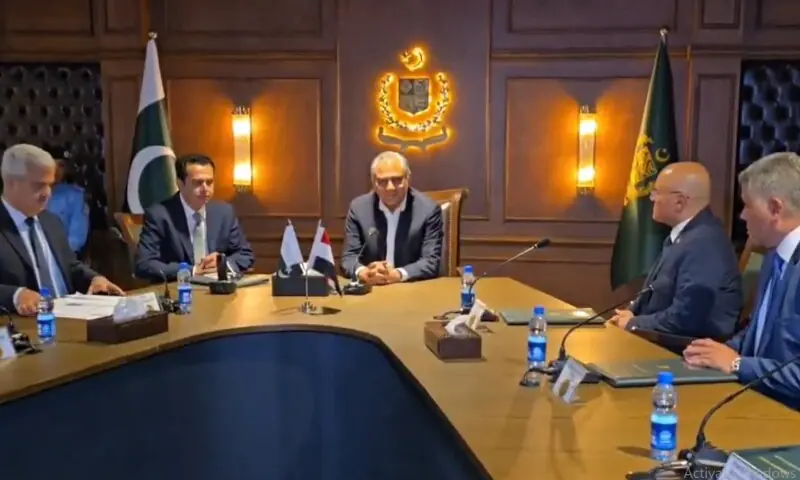
Pakistan, Egypt agree to boost security cooperation and counter-terrorism ties
Trump’s Iran strategy stalls as rhetoric and reality collide
Sanam Saeed, Roma Riaz to represent Pakistan at Cannes Film Festival
Court reserves verdict on physical remand of drug suspect Anmol alias Pinky in Karachi

Parliament clashes over Imran Khan access as opposition threatens protests
Stakeholders urge tax cut on lithium batteries to boost renewable energy in Pakistan


39 minutes ago

48 minutes ago

1 hour ago
1 hour ago
1 hour ago
2 hours ago
- US President Donald Trump’s confrontational diplomatic style, which has delivered results in some global disputes, appears to be faltering in…
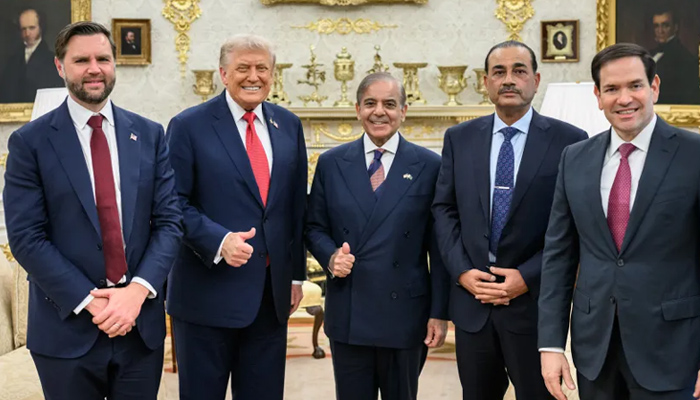
- Donald Trump has claimed that a “decisive attack” on Iran was halted following requests from “very good people” in Pakistan…
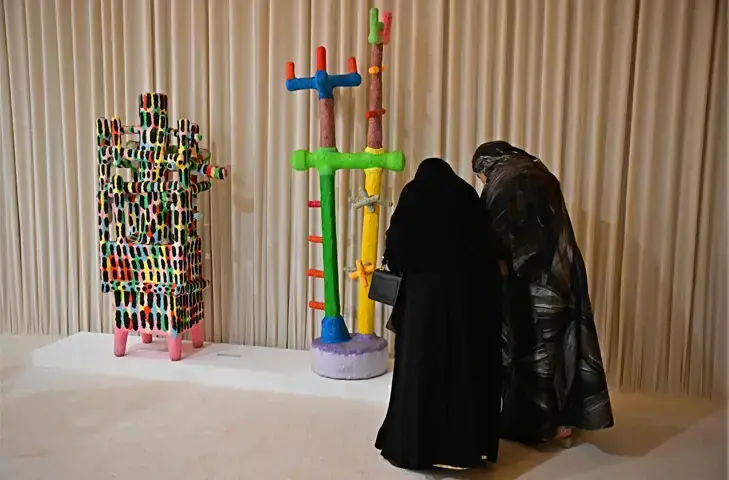
 The Middle East’s largest annual contemporary art fair, Art Dubai, opened in Dubai on Friday under the shadow of the…
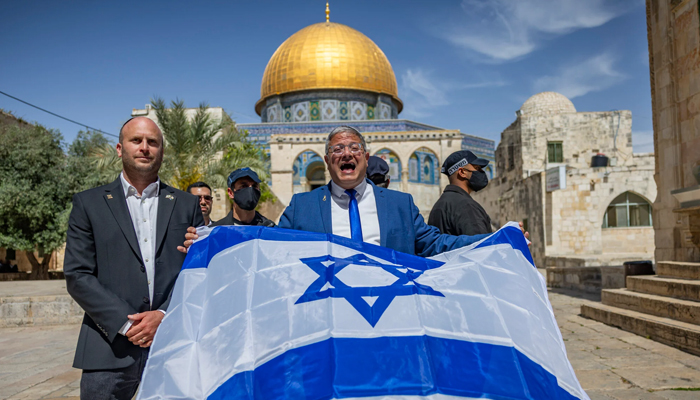
- Itamar Ben-Gvir led thousands of Israelis into the compound of Al-Aqsa Mosque, where he reportedly engaged in a highly provocative…
 A major shift in medical terminology has been announced for Polycystic Ovarian Syndrome (PCOS), a common hormonal disorder affecting millions…
 Health authorities are working to contain a potential international spread of hantavirus after new suspected cases emerged across multiple countries,…
 The Indus Hospital, located in Karachi’s Korangi area, has earned widespread recognition for providing free and quality healthcare services to…
 The Healthcare Devices Association of Pakistan (HDAP) has raised serious concerns over the continued presence of banned reusable syringes in…


- Pakistan has entered a new phase of maritime self-reliance with…39 minutes ago
- The United States has claimed at the United Nations that…48 minutes ago
- Interior Minister Mohsin Naqvi on Saturday met a high-level delegation…1 hour ago
- US President Donald Trump’s confrontational diplomatic style, which has delivered…1 hour ago